
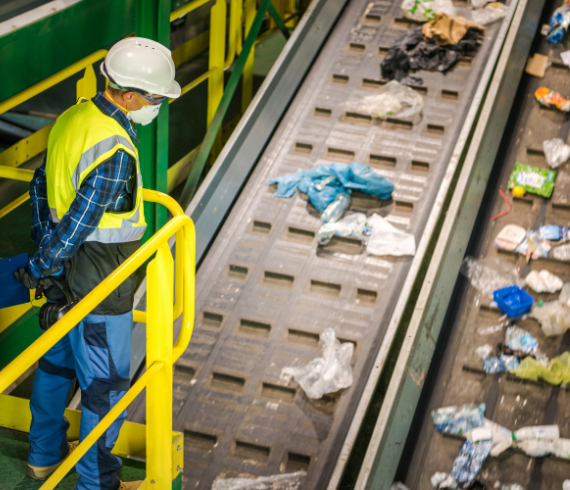
Waste Management
Waste management is a vital component of sustainable development. JbmConsul’s projects exemplify best practices by combining technical innovation, community engagement, and financial support to deliver impactful solutions.
Globally, the shift toward zero waste, circular economy, and waste-to-energy technologies is transforming waste from a liability into a valuable resource.
What Is Waste Management?
Waste management is the process of collecting, treating, and disposing of solid material that is discarded because it has served its purpose or is no longer useful. The goal is to reduce and eliminate adverse impacts on human health and the environment while supporting economic development and quality of life.
Would you like more details on a specific waste management technology, project case study, or implementation strategy?
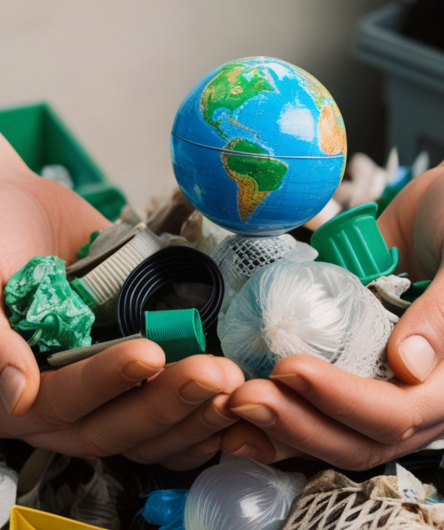
JbmConsul’s Approach to Waste Management
JbmConsul specializes in developing efficient, sustainable waste management systems across multiple regions, including Suriname, India, Tanzania, Somaliland, and Burundi. Their projects focus on:
- Transformation of Solid Waste: Converting waste into compost (fertilizer) and energy (Refuse Derived Fuel, RDF). Compost improves soil and reduces greenhouse gas emissions from landfills. RDF is produced from combustible components of municipal solid waste and used to generate electricity
- Business Sustainability: Creating jobs, providing training, and supporting local economies through waste management initiatives.
- Financial Support & Consultancy: Offering expertise, machinery, and financial support to governments and communities for implementing waste management solutions.
Compost Plants
Reduce landfill emissions and recycle organic waste efficiently.
RDF Plants
Convert waste into fuel for sustainable energy generation.
Resource Recovery
Sorting and processing waste into valuable resources.
Community Engagement
Empowering local communities for long-term sustainability.
Best Practices in Waste Management
Drawing from global standards and expert guidance:
Zero Waste Strategy
Aim to eliminate waste from the entire product lifecycle, promoting reuse, repair, and recycling.
Waste Hierarchy
Prioritize prevention, reduction, reuse, recycling, recovery, and finally, safe disposal.
Data-Driven Programs
Conduct waste audits to inform prevention and reduction initiatives.
Technological Advancements:
Upgrade recycling infrastructure and manage hazardous waste streams safely
Circular Economy
Design systems to keep resources in use for as long as possible, extracting maximum value before recovery and regeneration.
Why Waste Management Matters
Environmental
Reduces pollution, conserves natural resources, and minimizes greenhouse gas emissions.
Public Health
Prevents disease and improves living conditions
Economic
Creates jobs, supports local economies, and enables resource recovery.
Sustainability
Supports long-term environmental and social goals.
Waste Management in Renewable Energy Projects
Waste-to-Energy (WtE)
Technologies like incineration, anaerobic digestion, and gasification convert waste into electricity, heat, or fuel, reducing landfill use and supporting renewable energy goals
Biogas Production
Organic waste is processed to produce biogas, which can be used for power generation and as a renewable fuel
Landfill Gas Recovery
Capturing methane from landfills to generate clean energy and reduce greenhouse gas emissions
Benefits of Waste-to-Energy (WtE) Technologies
Waste-to-energy technologies offer a sustainable solution for managing solid waste, generating renewable energy, protecting the environment, and supporting economic and community development. They are a key component of modern, integrated waste management systems.
Environmental Protection
Reduces Landfill Waste: WtE technologies convert solid waste into electricity, heat, or fuel, significantly reducing the volume of waste sent to landfills.
Cuts Greenhouse Gas Emissions: By diverting organic waste from landfills (where it would produce methane), WtE helps lower overall emissions.
Promotes Cleaner Air and Water: Proper waste treatment reduces the risk of pollution and contamination from unmanaged waste.
Renewable Energy
Produces Clean Energy: Technologies like incineration and gasification transform waste into renewable electricity and heat.
Biogas Production: Organic waste is processed to produce biogas, used for power generation and as a renewable fuel.
Landfill Gas Recovery: Capturing methane from landfills reduces emissions and provides a valuable energy source.
Economic Value
Resource Recovery: WtE enables the recovery of valuable materials and energy from waste, turning a liability into an asset.
Job Creation: The development and operation of WtE facilities create jobs and support local economies.
Reduces Dependency on Fossil Fuels: By generating energy from waste, communities can reduce their reliance on imported fuels
Public Health & Community
Improves Living Conditions: Proper waste management and energy recovery reduce the risk of disease and improve overall public health
Supports Local Infrastructure:WtE projects often include investments in local infrastructure, such as improved waste collection and recycling systems5. Supports Circular Economy and Sustainability
Encourages Recycling and Reuse: WtE is part of a broader waste hierarchy that prioritizes prevention, reduction, reuse, and recycling before energy recovery and disposal
Promotes Long-Term Sustainability:By integrating WtE with other waste management strategies, communities can achieve long-term environmental and economic goals.
Key Aspects of the Partnership
Waste-to-energy technologies offer a sustainable solution for managing solid waste, generating renewable energy, protecting the environment, and supporting economic and community development. They are a key component of modern, integrated waste management systems.
1. Solid Waste Management Solutions
JbmConsul and Komptech collaborate to provide advanced waste management solutions, especially in regions where recycling infrastructure and awareness are limited. Their joint approach addresses obstacles such as lack of equipment, insufficient collection infrastructure, and low recycling rates at the household level.
2. Technology and Equipment
Through this partnership, JbmConsul offers local governments and communities access to Komptech’s portfolio of over 30 types of machines. These cover all key stages of modern waste treatment—shredding, separation, and biological treatment—enabling efficient sorting and processing of waste into valuable commodities.
3. Local Impact and Sustainability
The partnership’s goal is to create auto-sufficient recycling processes. Technologies provided can transform household waste into fertilizer, supporting local agriculture and reducing the need for imported fertilizers. This not only improves waste management but also boosts agricultural productivity and sustainability.
4. Community Engagement
JbmConsul works closely with local governments to implement these solutions, providing all necessary equipment and technical support. The partnership emphasizes capacity building and local empowerment, ensuring that communities can maintain and benefit from the technology long-term
JbmConsul Waste Management Projects
JbmConsul specializes in developing efficient, sustainable waste management systems across multiple regions, including Suriname, India, Tanzania, Somaliland, and Burundi. Their projects focus on:
Suriname India Tanzania Somaliland BurundiTransformation of Solid Waste
Converting waste into compost (fertilizer) and energy (Refuse Derived Fuel, RDF). Compost improves soil and reduces greenhouse gas emissions from landfills. RDF is produced from combustible components of municipal solid waste and used to generate electricity.
Business Sustainability
Creating jobs, providing training, and supporting local economies through waste management initiatives.
Financial Support and Consultancy
Offering expertise, machinery, and financial support to governments and communities for implementing waste management solutions.
Partnership Example: JbmConsul & Komptech
JbmConsul has a strategic partnership with Komptecha leading supplier of waste management technologies. Through this partnership, JbmConsul provides local governments and communities access to advanced machinery for shredding, separation, and biological treatment, enabling efficient sorting and processing of waste into valuable commodities.
The Goal: The goal is to create auto-sufficient recycling processes, transforming household waste into fertilizer and supporting local agriculture