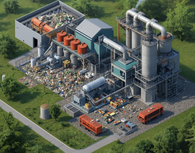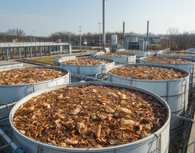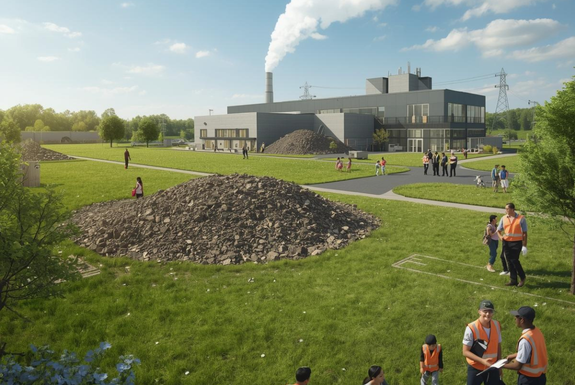
JBM Consul specializes in developing Waste to energy (WtE) refers to a set of technologies that convert various types of waste—such as municipal solid waste, industrial byproducts, and organic material—into usable forms of energy like electricity, heat, or fuel. WtE is a key component of modern waste management and the circular economy, helping reduce landfill use, generate renewable energy, and support sustainability goals
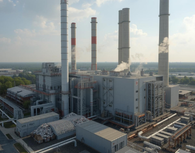
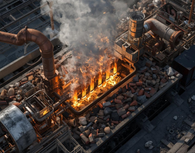
Direct combustion of waste at high temperatures to produce steam, which drives turbines to generate electricity or heat. Modern plants use advanced emissions controls to minimize pollutants.
Partial oxidation of waste to produce syngas (a mix of hydrogen and carbon monoxide), which can be used for power generation or as a chemical feedstock.
WtE technologies significantly reduce the volume of waste sent to landfills.
Diverts organic waste from landfills, lowering methane emissions.
Generates electricity and heat, supporting sustainable energy systems.
Recovers valuable materials and energy from waste, turning a liability into an asset.